Technology &
Computer Architecture Lab
We investigate how modern computing systems can be designed to become faster, more energy-conscious, dependable, and trustworthy: from general-purpose processors and GPUs to reconfigurable platforms and domain-specific accelerators.
TCAL research priorities
- Performance
- Reliability
- Energy efficiency
- Design
- Trustworthiness
Designing better and reliable computing systems
At TCAL, our research sits at the intersection of computer architecture and design, performance, resilience, and energy efficiency. We focus on building robust and energy-conscious systems, from general-purpose processors to domain-specific accelerators. A key aspect of our work is developing hardware/software co-design approaches that not only enhance silicon validation and accelerate post-silicon bug detection, but also strengthen overall system reliability and promote energy-efficient operation. Our work aims to ensure that modern chips are not only functionally correct, but also resilient and power-aware from the ground up.
Our research is built upon three essential pillars: (1) Designing advanced processor and memory systems while quantifying and enhancing the reliability of CPUs, GPUs, and specialized accelerators through architectural and microarchitectural techniques, (2) Reducing energy consumption in high-performance and embedded computing platforms without compromising performance or reliability, and (3) Modeling and optimizing domain-specific accelerators to enable low-power, dependable computing for edge and application-driven systems.
Advanced Processor and Memory Architectures
Rethinking Execution, Speculation, and Data MovementTCAL explores advanced architectural and microarchitectural techniques for improving the performance, scalability, and efficiency of modern computing systems. Our research covers processor front-end design, branch prediction and speculative execution, out-of-order processing, cache and memory hierarchies, coherence protocols, and communication among cores and accelerators. We investigate both general-purpose and workload-specialized architectures, including CPUs, GPUs, and domain-specific accelerators, with an emphasis on identifying and overcoming the execution and data-movement bottlenecks of emerging applications. Through microarchitectural simulation, workload characterization, and hardware/software co-design, we aim to develop next-generation computing systems that intelligently balance performance, complexity, energy efficiency, reliability, and security.
Reliable Architectures / Reliability Assessment
Ensuring System ReliabilityTCAL investigates the resilience of modern computing systems by analyzing how they respond to both transient faults and permanent failures. Our work spans a diverse range of hardware components, from CPUs and GPUs to AI accelerators, offering a comprehensive perspective on system-level vulnerability. Through multi-layered analysis, reaching from the register-transfer level to the microarchitecture and software stack, we aim to combine precision and efficiency to uncover critical reliability challenges in next-generation hardware.
Reconfigurable and Heterogeneous Computing
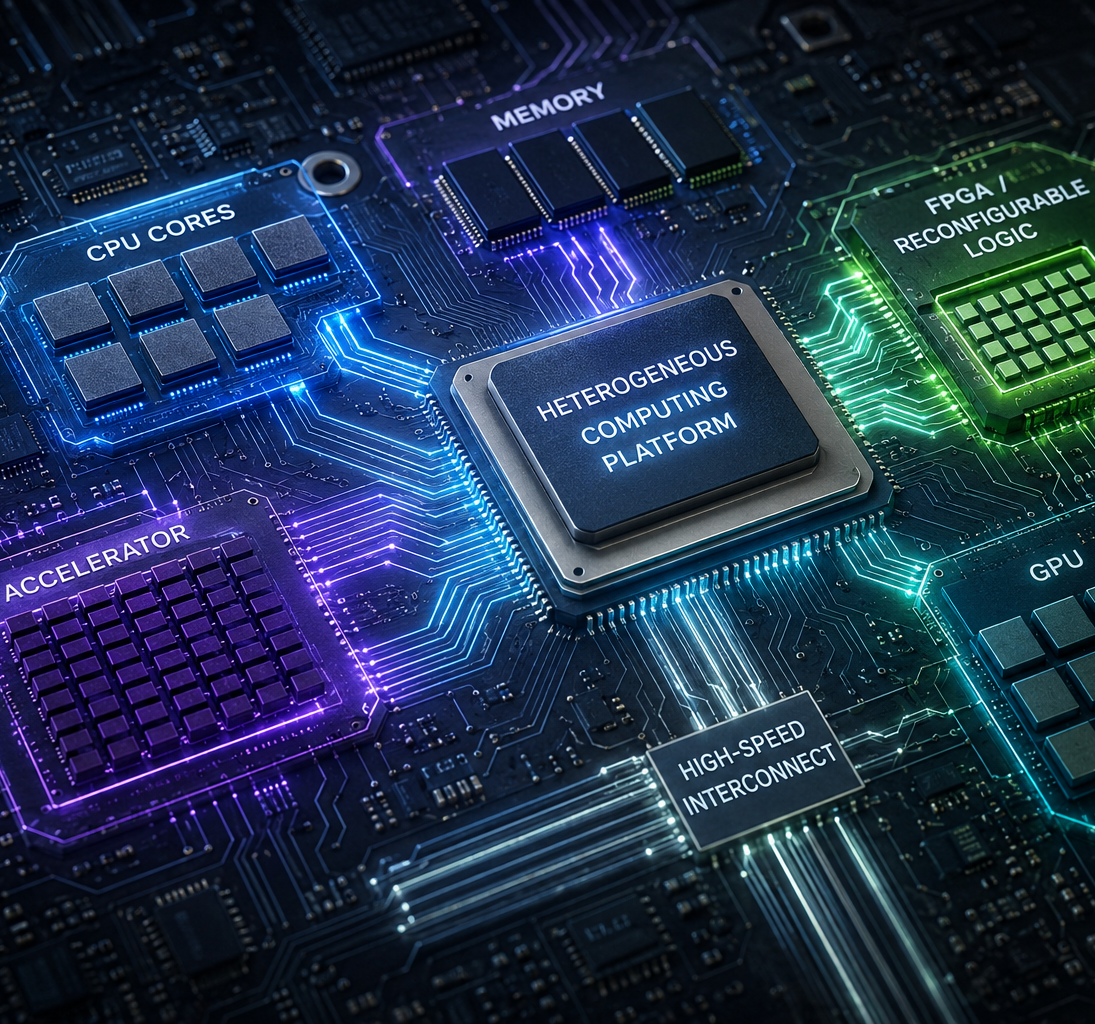
Accelerating Emerging Workloads through Hardware/Software Co-DesignTCAL explores reconfigurable and heterogeneous computing architectures that combine general-purpose processors with FPGAs and specialized accelerators. Our research focuses on hardware/software co-design, dynamic and partial reconfiguration, scalable multi-accelerator platforms, and efficient data movement across heterogeneous systems. By adapting computing resources to the characteristics of each application, we aim to improve performance, energy efficiency, and resource utilization in high-performance, edge, and data-intensive computing environments.
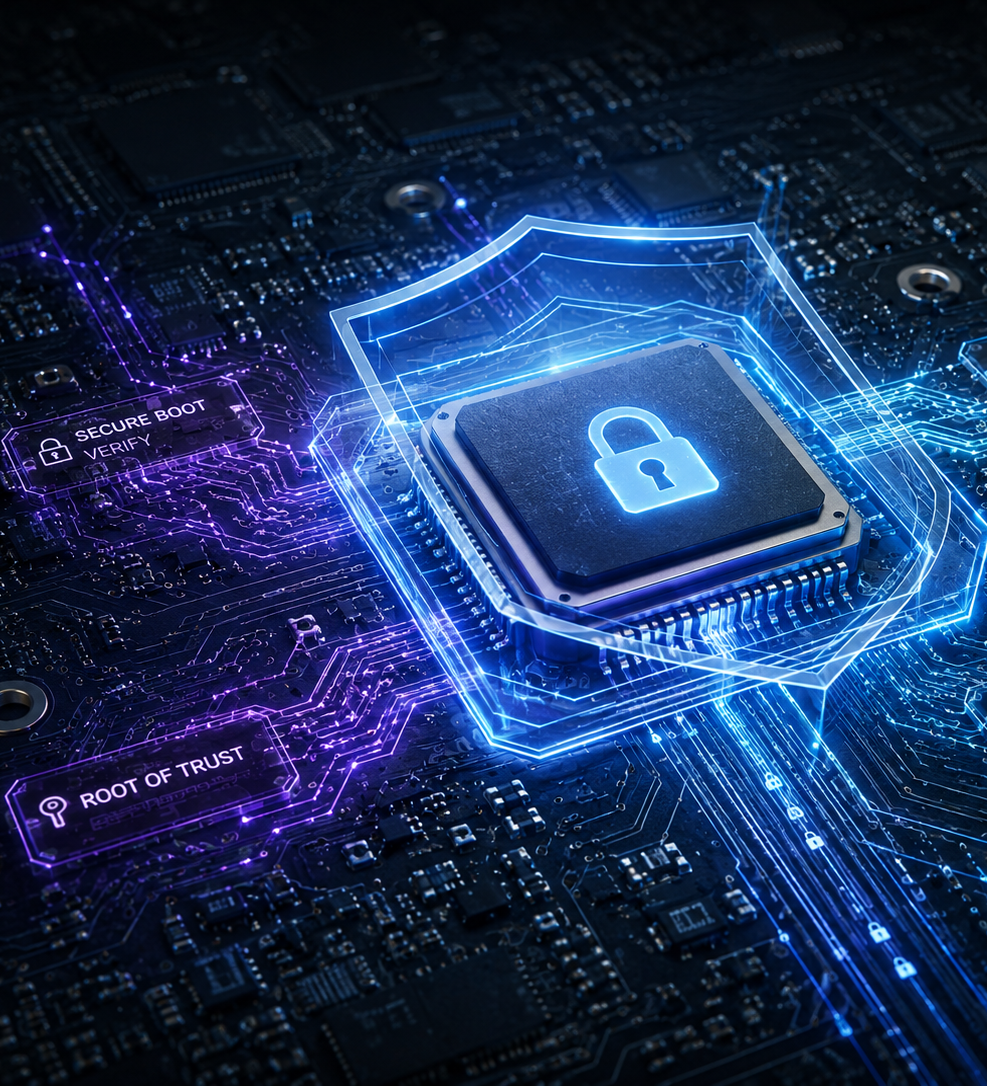
Hardware Security and Trusted Computing
Securing Heterogeneous and Reconfigurable SystemsTCAL investigates architectural and hardware-assisted mechanisms for protecting modern computing platforms against emerging security threats. Our work includes runtime monitoring, secure execution, hardware-based intrusion detection, side-channel analysis and mitigation, and the protection of communication between processors and accelerators. By integrating security directly into the architecture of heterogeneous and reconfigurable systems, we aim to develop computing platforms that are both high-performing and trustworthy by design.
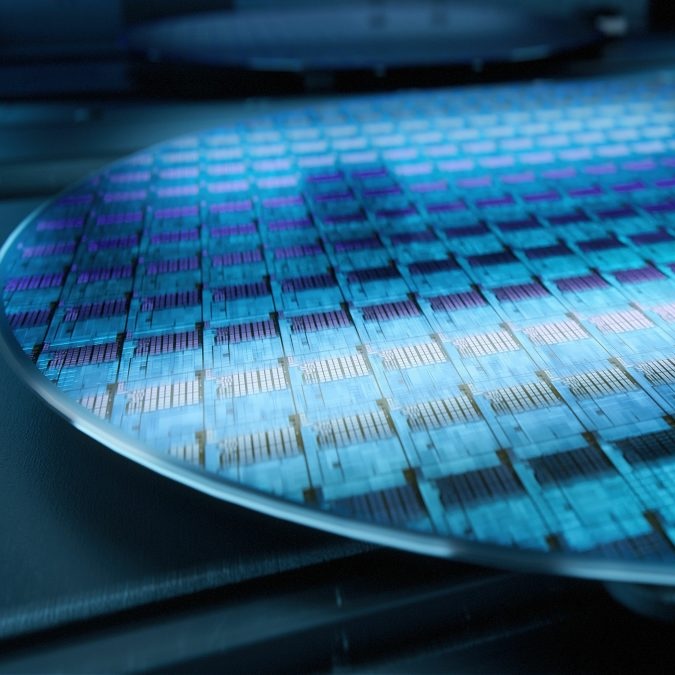
Silicon Validation
Enhancing Bug Detection and Debug EfficiencyAt TCAL, we tackle one of the most critical challenges in modern hardware development: post-silicon validation. As chip complexity grows, so does the risk of subtle design flaws escaping pre-silicon verification. Our research addresses this gap by developing innovative validation solutions that combine architectural insights with silicon-level execution speed. By focusing on fast and targeted bug localization in modern CPU designs, we help minimize silicon debug cycles and increase confidence in hardware correctness before deployment.
Energy Efficient Computing
Exploring Hardware Margins for Enhanced Energy EfficiencyWe explore how modern hardware can be pushed beyond conventional operating boundaries to unlock new levels of energy efficiency. By studying how systems behave under non-standard voltage and frequency settings, we aim to reveal untapped power-saving opportunities. Our research focuses on the inherent variability across chips, cores, and workloads, leveraging these differences to identify safe yet aggressive operating points that reduce energy consumption without compromising reliability.
From first principles to research practice
Explore the courses taught by TCAL members, their focus, and the skills students develop across digital systems, programming, VLSI, and computer architecture.